Bulk buying has become increasingly popular among savvy shoppers, families, and even small businesses looking to stretch their budgets. The concept is simple: purchase goods in larger quantities to unlock potential cost savings and reduce the frequency of shopping trips. But while bulk buying can offer clear advantages, it’s not always the right choice for everyone, every household, or every product. In this article, we’ll take a deep dive into the pros and cons of bulk buying, supported by facts, figures, and real-world examples. By the end, you’ll be better equipped to decide if bulk buying aligns with your shopping habits, storage capacity, and overall financial goals.
The Financial Upsides of Bulk Buying
One of the most attractive features of bulk buying is its potential for significant cost savings. Retailers often offer discounts for purchasing larger quantities, which can add up over time—especially for families or those running small businesses.
According to a 2022 Consumer Reports study, households that consistently buy staples like toilet paper, rice, and laundry detergent in bulk can save anywhere from 15% to 35% annually compared to buying smaller packages. For example, a standard pack of 12 toilet paper rolls might cost $9 ($0.75 per roll), while a bulk pack of 36 rolls is often priced at $22 ($0.61 per roll), resulting in a 19% per-roll savings.
.png)
Additionally, bulk buying can help guard against inflation. When prices are rising, purchasing large quantities at today’s lower rates can lock in savings for months. The U.S. Bureau of Labor Statistics reported that average grocery prices rose by 8.4% from 2021 to 2022; bulk buyers who stocked up before price hikes saw direct benefits.
Other financial upsides include:
- Fewer trips to the store, saving both time and transportation costs. - Opportunities to take advantage of warehouse clubs (like Costco, Sam’s Club, and BJ’s), which often cater to bulk buyers with exclusive deals and membership perks. - Potential for sharing purchases and costs with friends, family, or neighbors to further reduce per-person expenses.Common Pitfalls and Hidden Costs of Bulk Purchases
While bulk buying offers tangible financial benefits, it’s not without its drawbacks—and sometimes, the hidden costs can outweigh the intended savings.
Food spoilage is a primary concern. The Natural Resources Defense Council reports that the average American household throws away approximately $1,500 worth of food annually, much of it due to overbuying. If perishable goods like milk, produce, or meat are bought in quantities too large to use before expiration, the cost of wasted food can quickly erode any savings.
Other potential pitfalls include:
- Storage Limitations: Not every home has the space for large quantities of goods. Storing bulk items improperly can lead to spoilage, pest infestations, or simply cluttered living spaces. - Upfront Costs: Bulk buying requires higher initial spending. For those on a tight budget, spending $40 on a 20-pound bag of rice instead of $5 on a 2-pound bag might not be feasible, even if the long-term cost per serving is lower. - Temptation to Overspend: Buying in bulk can sometimes encourage purchasing items you wouldn’t normally buy or don’t need, leading to unnecessary expenses. - Product Fatigue: Consuming the same food or product repeatedly to avoid waste can lead to burnout, making it less likely you’ll use up your stockpile.Environmental Impact: Weighing the Pros and Cons
Bulk buying can have a significant environmental impact—both positive and negative—depending on how it’s done.
On the upside, purchasing in bulk often means less packaging waste. A study by the Environmental Protection Agency (EPA) found that bulk packaging can reduce packaging material waste by up to 60% compared to individually-wrapped items. For example, buying a 2-liter bottle of juice instead of four half-liter bottles results in less plastic and fewer labels.
There’s also the environmental benefit of fewer shopping trips, which can reduce your carbon footprint. Fewer trips mean less fuel burned and less air pollution.
However, the environmental benefits are only realized if the products purchased in bulk are fully used. Wasted food or expired products negate the positive impact of reduced packaging. Additionally, some bulk products may be shipped from farther away or require more resources to store and transport, especially if you need to use a car or require special storage (like refrigeration or freezers).
Which Products Make Sense for Bulk Buying?
Not every product is a good candidate for bulk buying. Here’s a closer look at categories where buying in bulk typically makes sense—and where it may not.
| Product Category | Bulk Buying: Recommended? | Reason |
|---|---|---|
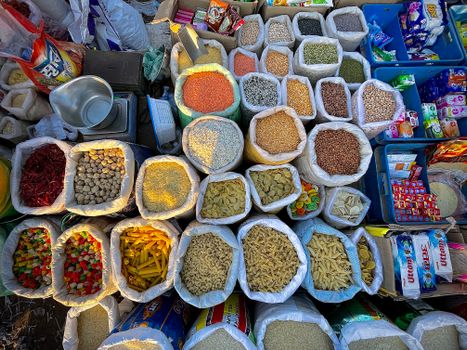
| Non-perishable foods (rice, pasta, canned goods) | Yes | Long shelf life, stable demand |
| Paper products (toilet paper, paper towels) | Yes | Don't spoil, used consistently |
| Cleaning supplies | Yes | Long shelf life, frequent use |
| Fresh produce | No | Short shelf life, high spoilage risk |
| Dairy and meats | Sometimes | Only if you have proper storage/freezer space |
| Personal care items (shampoo, soap) | Yes | Do not expire quickly, regular use |
| Snacks and treats | No/Maybe | May encourage overconsumption, risk of staleness |
Interestingly, a 2023 survey by the Food Marketing Institute found that 64% of bulk buyers primarily purchase non-perishable pantry staples, while only 18% regularly buy fresh produce in bulk.
Bulk Buying for Single Individuals vs. Families
The value of bulk buying can vary dramatically depending on the size and needs of your household.
For families and shared households, bulk buying often makes sense. With more mouths to feed, products are used up quickly, minimizing the risk of spoilage and maximizing cost savings. For example, a family of four can typically finish a bulk box of cereal before it goes stale, while a single person may not.
For single individuals or small households, the equation is different. The risk of food going bad is higher, and storage space is often limited. According to the Bureau of Labor Statistics, single-person households spend 45% more per-person on groceries than families of four, in part because they can’t always take advantage of bulk discounts without risking waste.
Some strategies for small households include:
- Teaming up with friends or neighbors to split bulk purchases. - Focusing on non-perishables and avoiding perishables unless you have a plan for preserving or freezing them. - Prioritizing items with the longest shelf life.How to Maximize the Benefits and Minimize the Drawbacks
If you’re considering bulk buying, a little planning goes a long way. Here are some tips to help you make the most of your purchases:
- $1 Track how quickly you use up staple items. If it takes you six months to finish a 10-pound bag of flour, bulk buying may not be necessary. - $1 Only buy perishables in quantities you can realistically use before they spoil. - $1 Airtight containers, pantries, or a deep freezer can extend the life of bulk goods. - $1 Sometimes, buying smaller quantities during sales can be cheaper than bulk buying at full price. - $1 Just because it’s available in bulk doesn’t mean you need it, especially if it’s not something you regularly use.Finally, always compare unit prices. Retailers sometimes use marketing tactics to make bulk packages seem like a better deal, even when they’re not. Check the price per ounce, pound, or item to ensure you’re getting true savings.
Final Thoughts on the Pros and Cons of Bulk Buying
Bulk buying can be a powerful tool for saving money, reducing packaging waste, and simplifying your shopping routine. However, it’s not a one-size-fits-all solution. The key is to approach bulk buying thoughtfully: consider your household size, storage capacity, and actual consumption patterns before committing to large purchases. By weighing the pros and cons, you can harness the benefits of bulk buying while avoiding common pitfalls like spoilage, clutter, and overspending.
The next time you’re tempted by a warehouse deal or a massive sale, ask yourself: Will I use this before it expires? Do I have the space? Is this truly the best price per unit? In doing so, you’ll be able to maximize savings, minimize waste, and shop smarter—whatever your household size or budget.